← Back to site
Pre-Seed · British Columbia, Canada

Teploy

Open-core infrastructure for teams that want to own their stack.

01 / 11
02

Problem

Teams choose between convenience and ownership.

  • Managed platforms make deployment easy, but teams give up infrastructure ownership, flexibility, and cost control as they scale.
  • Self-hosted tools give teams ownership, but provisioning, deployment state, HTTPS, rollback, monitoring, and provider management become operational burden.
  • Deployment dashboards can drift from what is actually running on the server, especially when CLI, SSH, and web UI state are separate sources of truth.
  • Observability is fragmented across analytics, APM, error tracking, and uptime tools, creating more services to integrate and pay for.
  • The gap: cloud convenience without giving up server ownership.
03

Solution

Free tools developers run themselves. Teploy Cloud manages operations on infrastructure they still own.

Teploy is the company being funded. Developers get free deployment and observability tools; teams that need managed provisioning and operations — across infrastructure they still own — move to Teploy Cloud.

The raise — Teploy

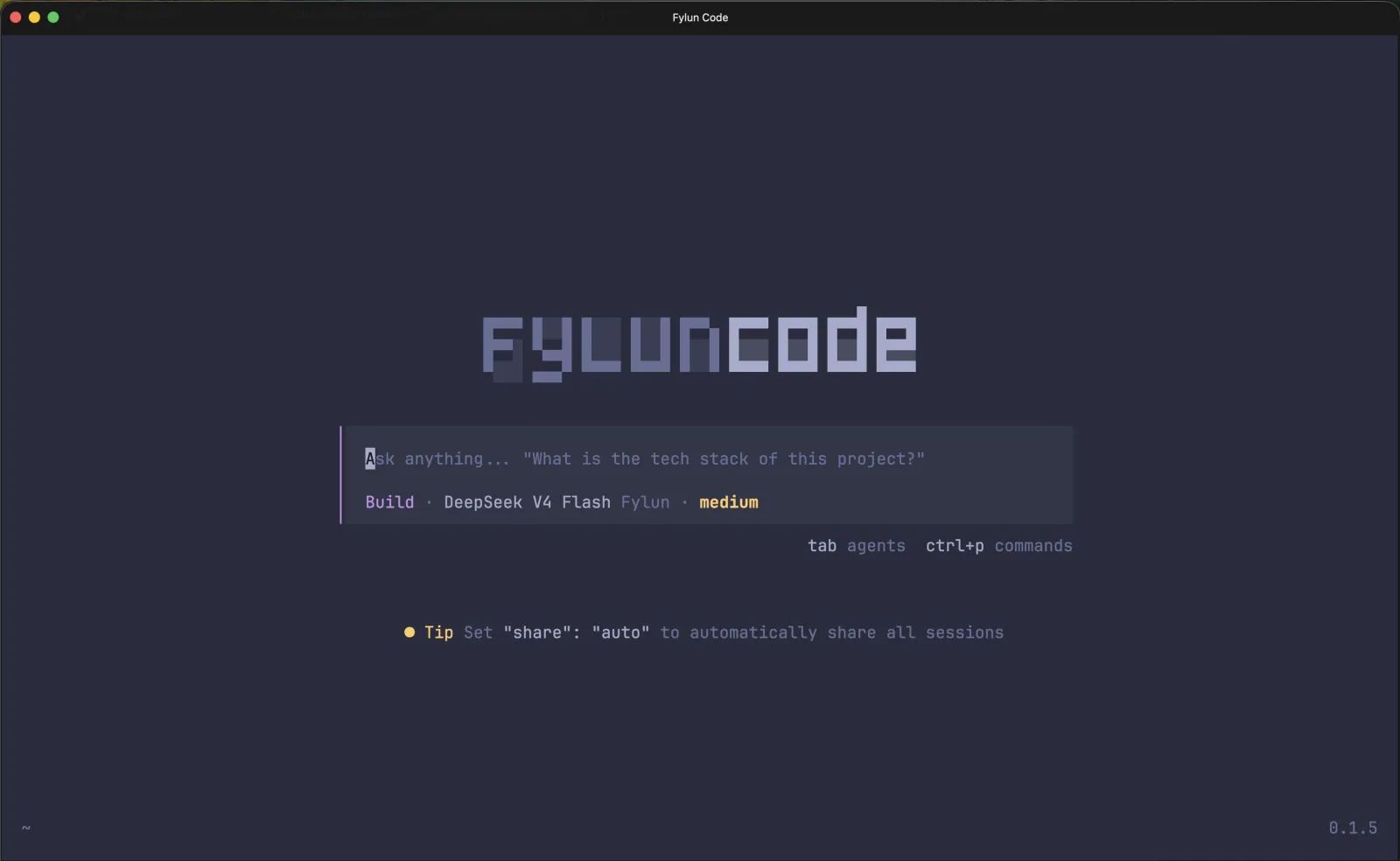
Free: Neutron + Nucleus — one framework and one database covering what teams usually split across several specialized stores. The Teploy toolkit (CLI, Dash, Observe, and Ship, an autonomous coding agent) is what developers adopt first.

Paid: Teploy Cloud — provider aggregation, provisioning, and operations for teams that want ownership with less operational drag.

The proof — a built portfolio

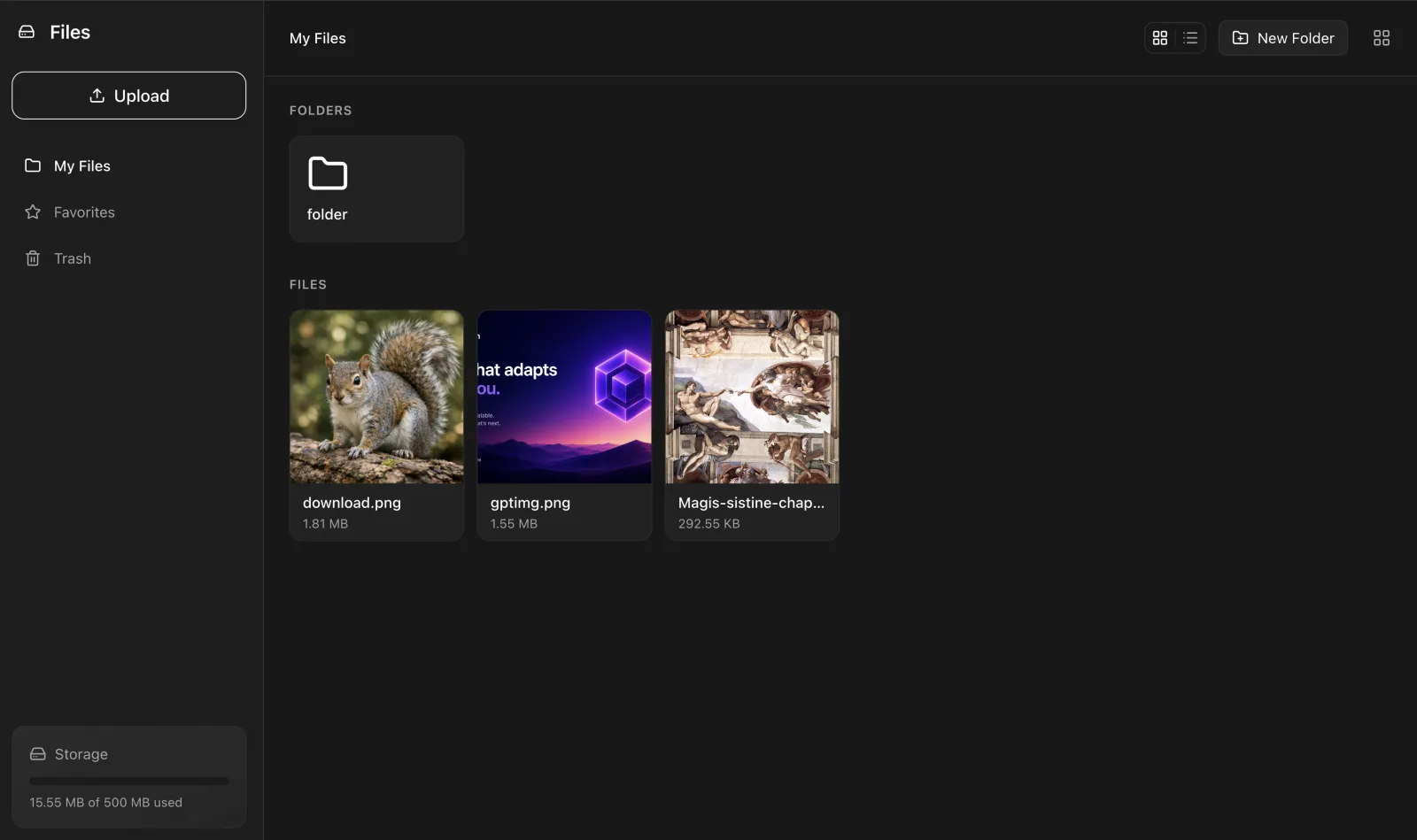
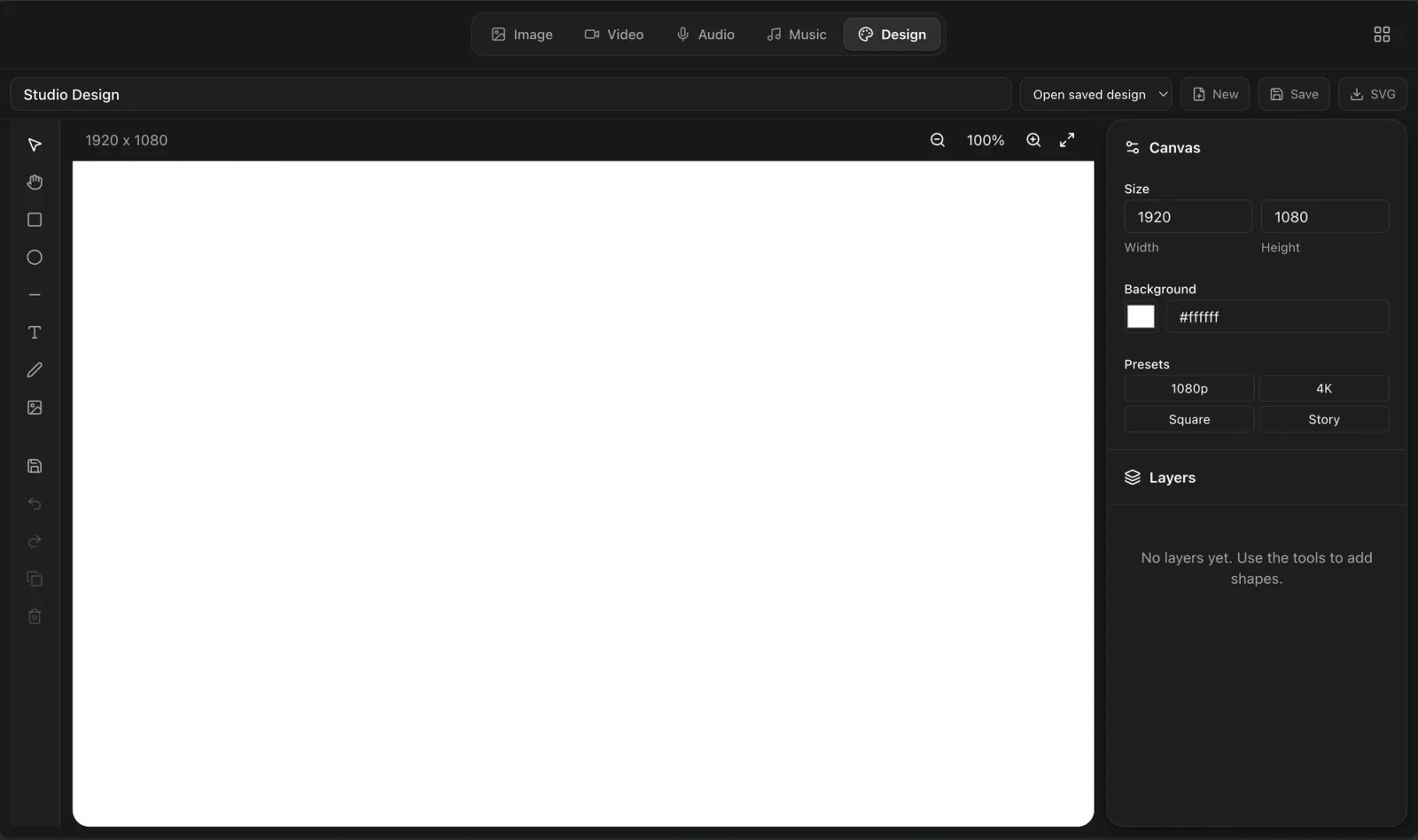
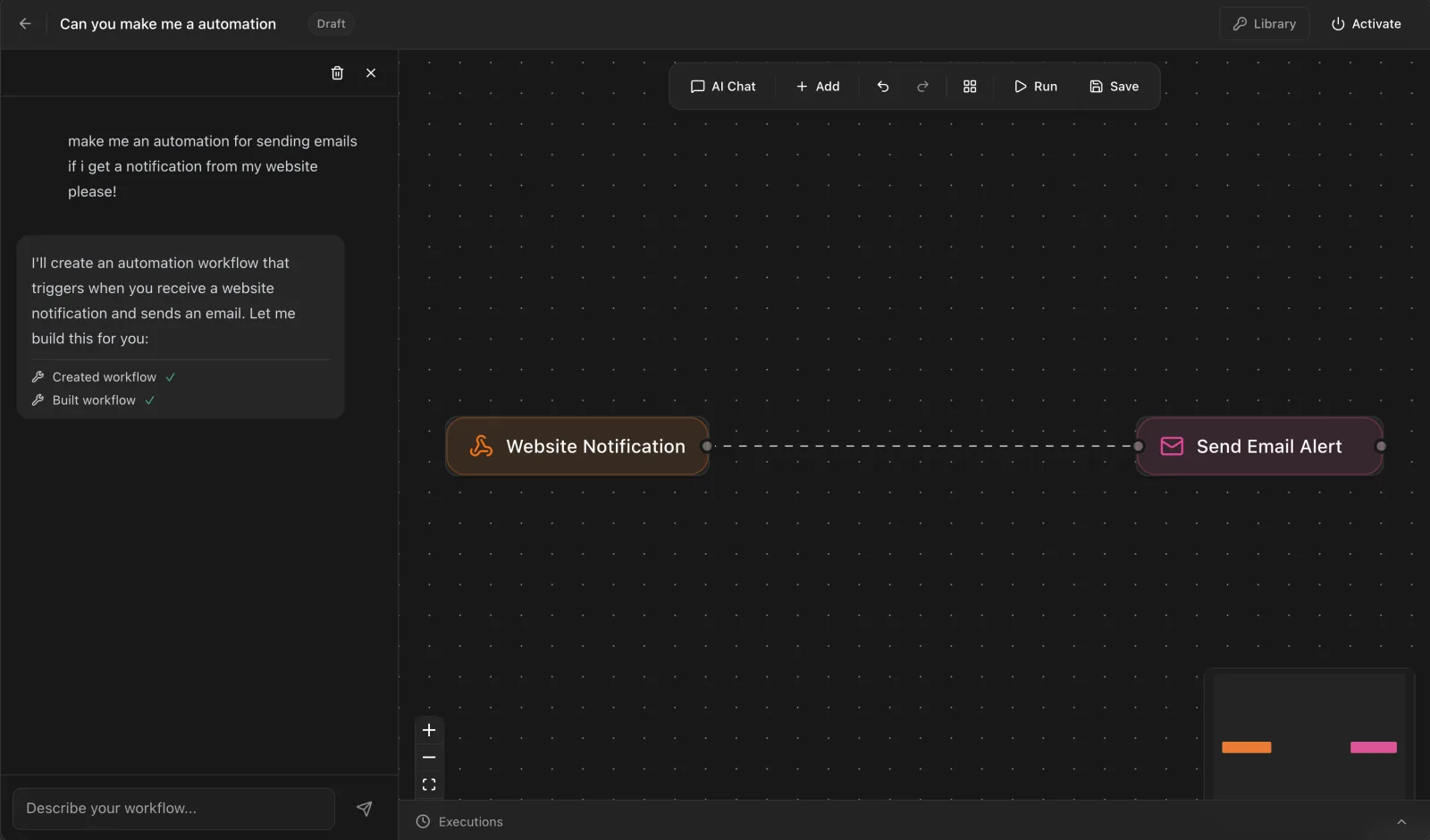
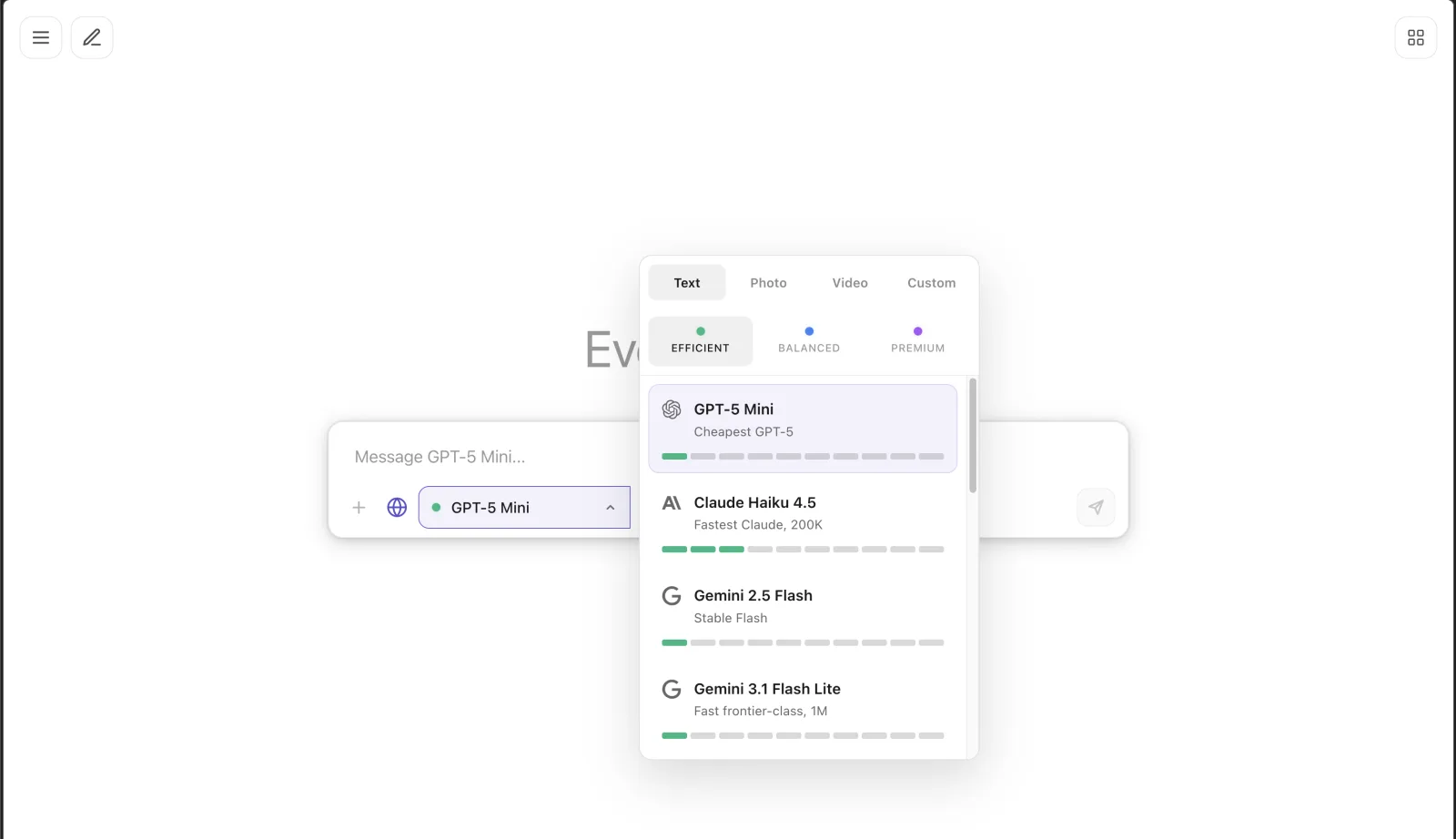
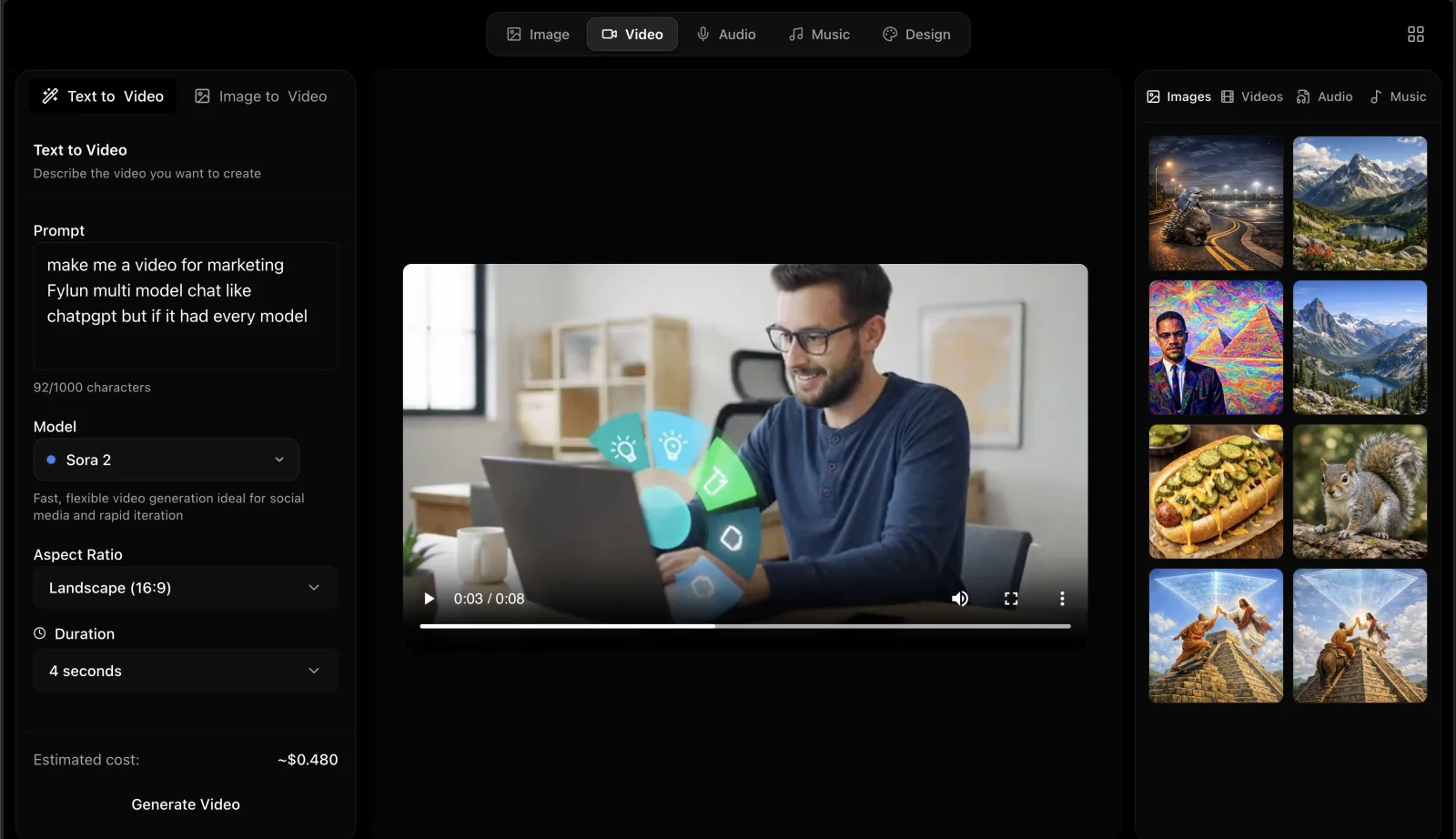
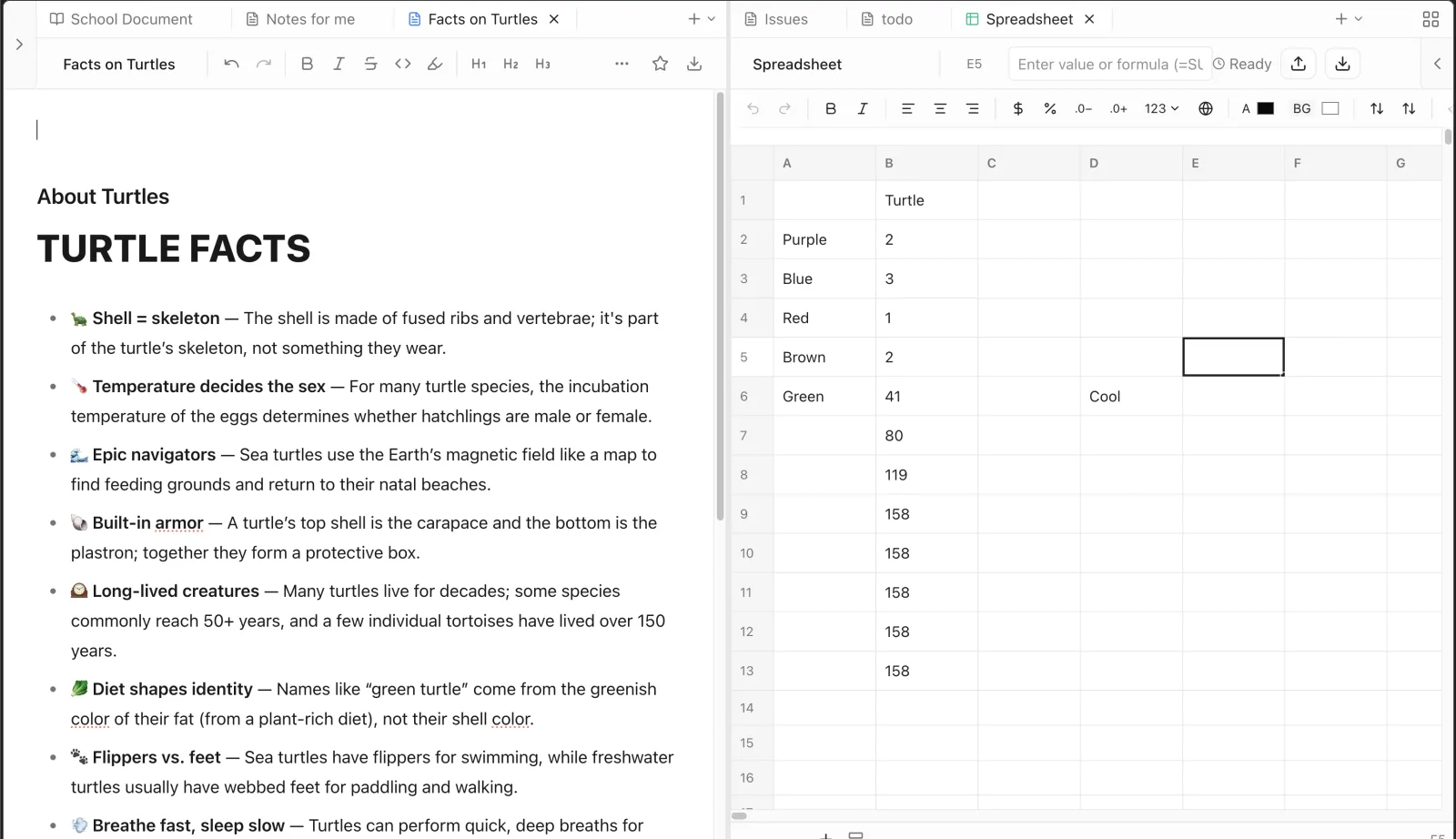
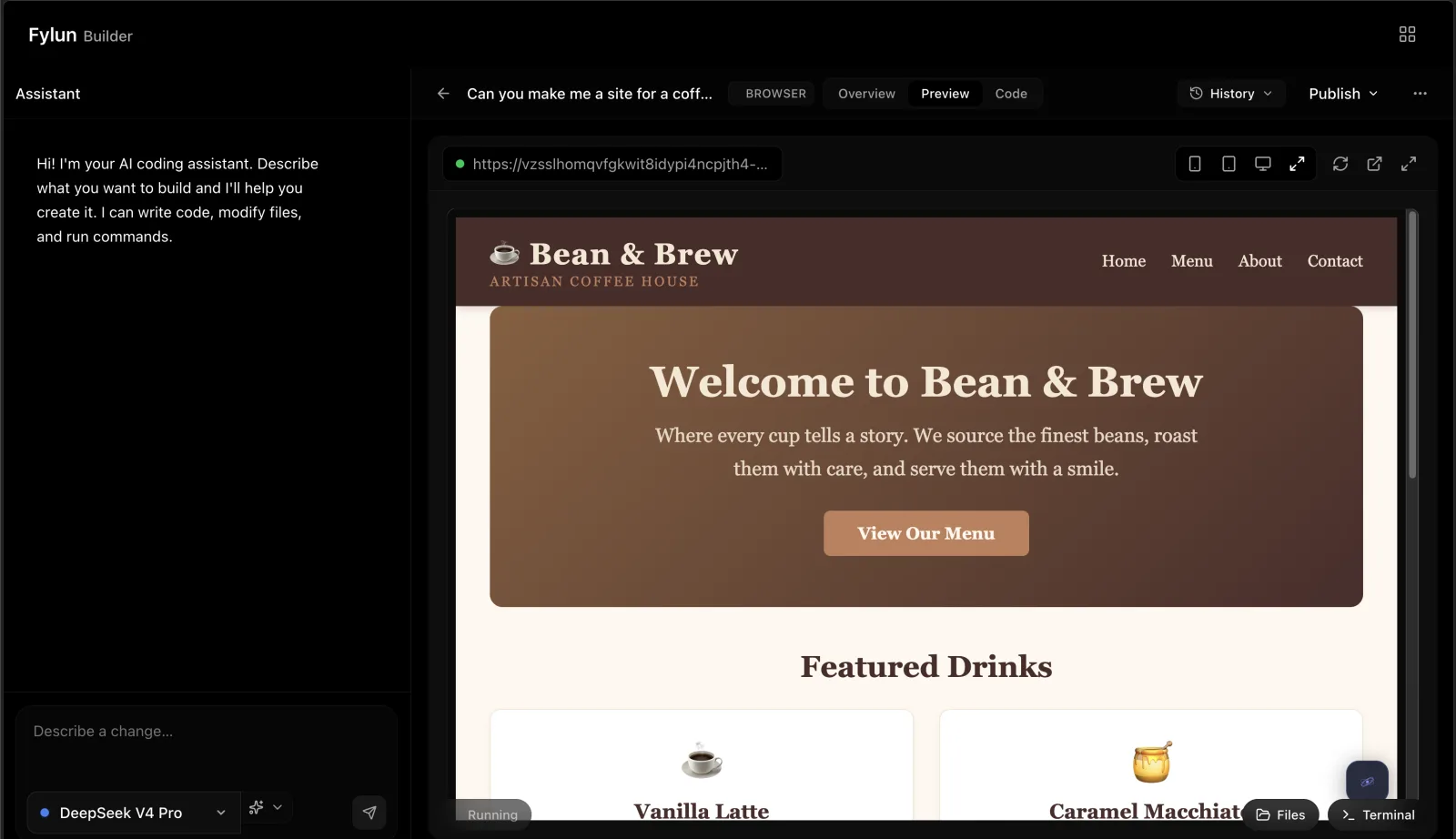
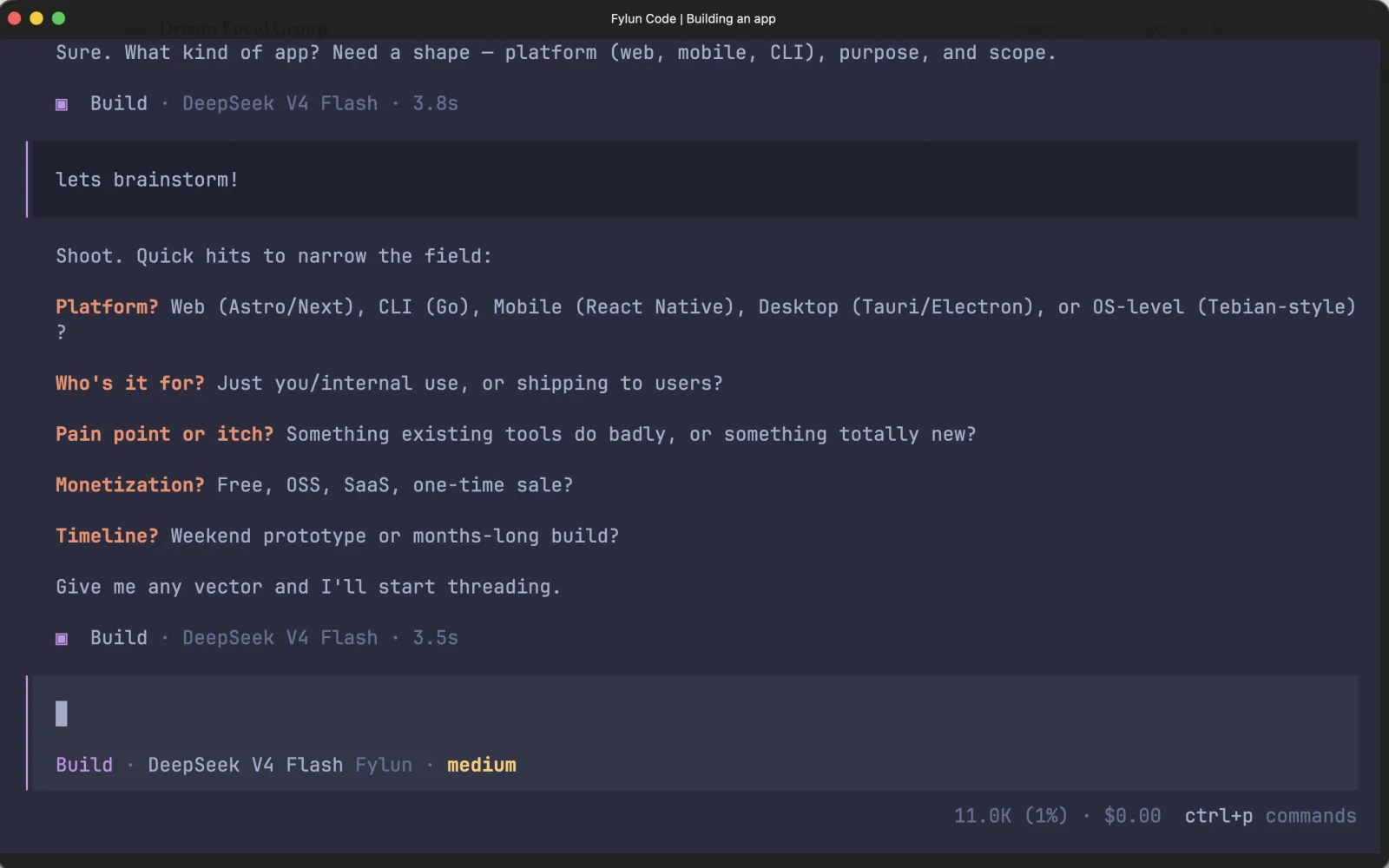
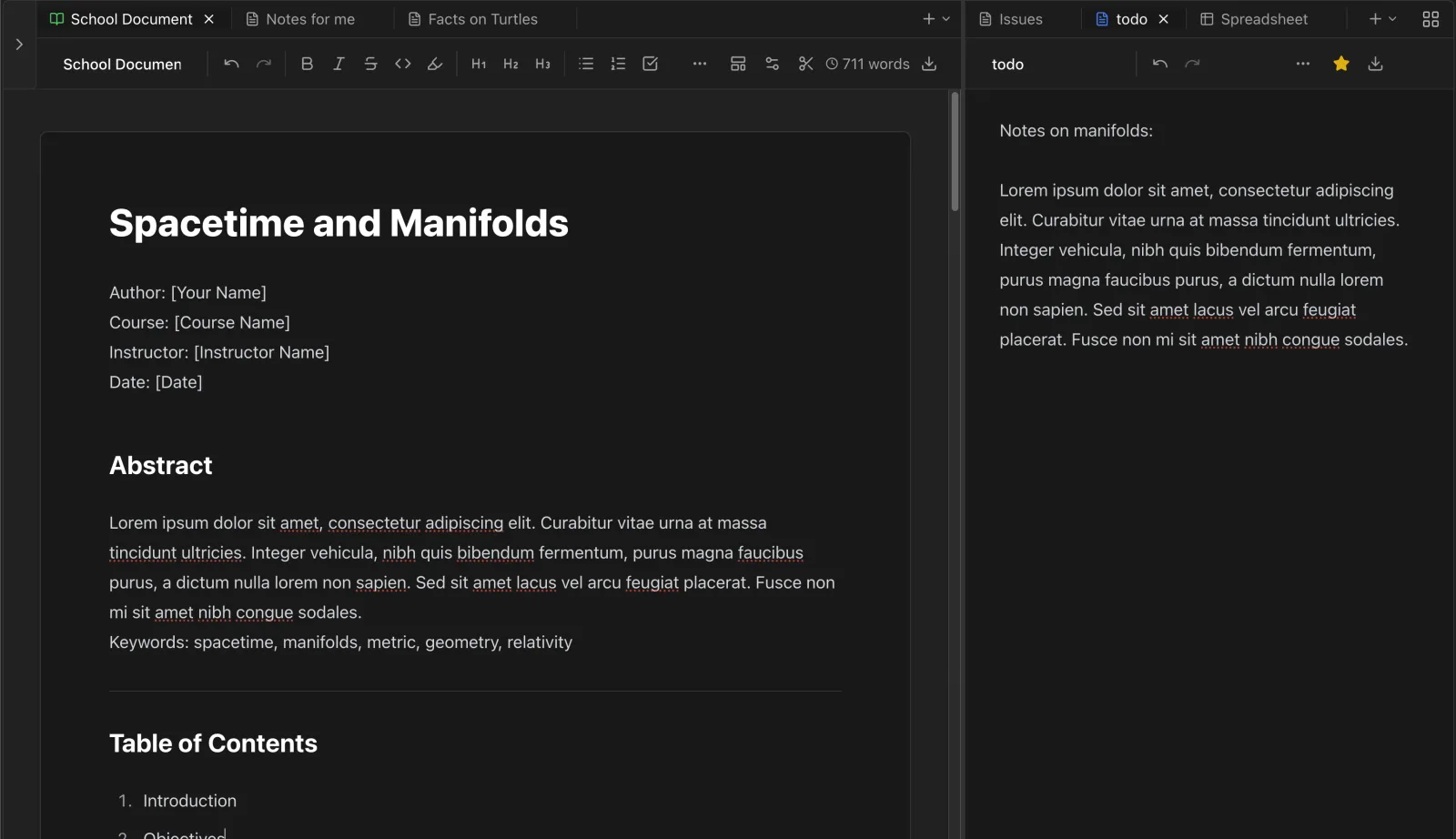
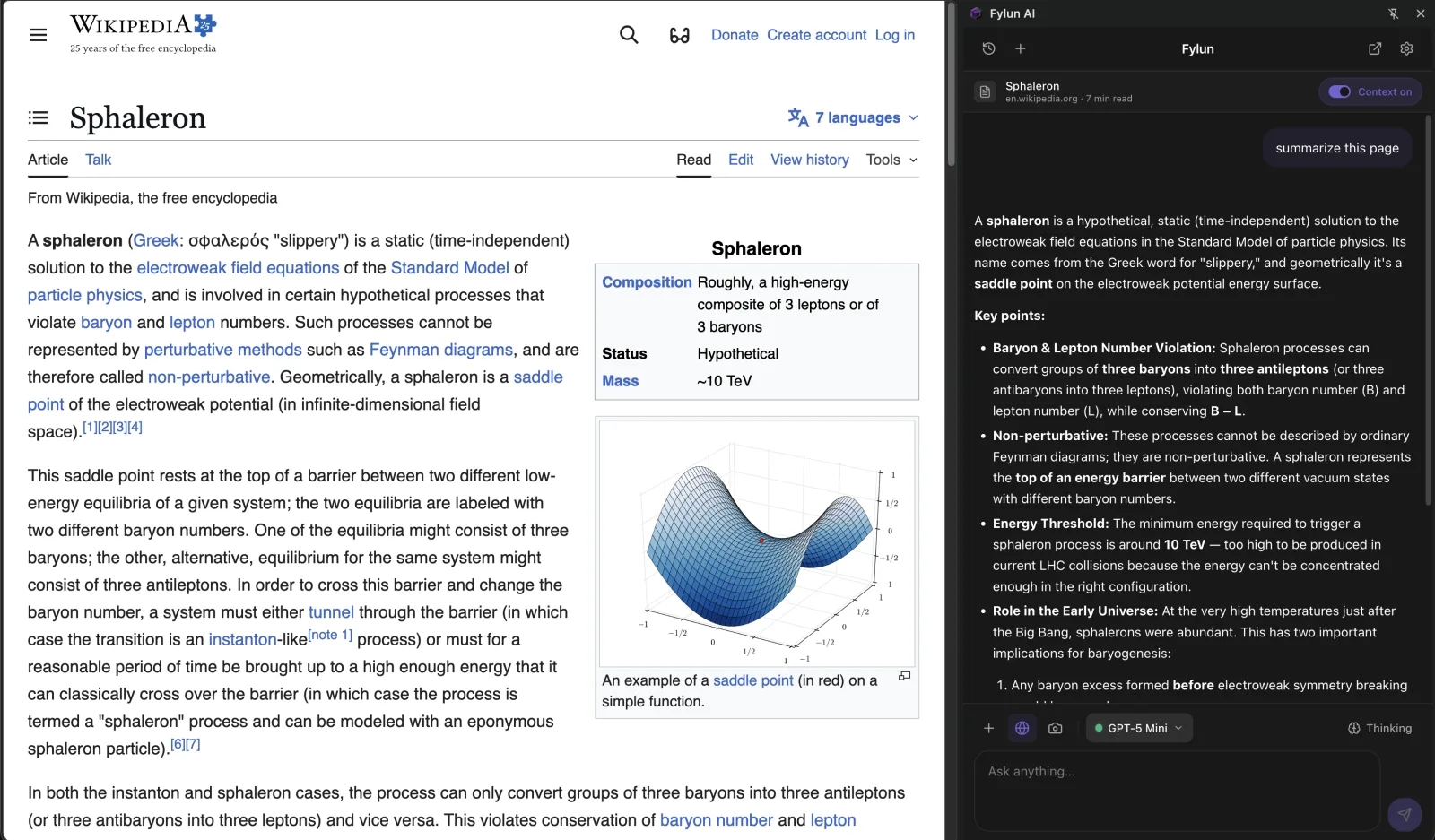
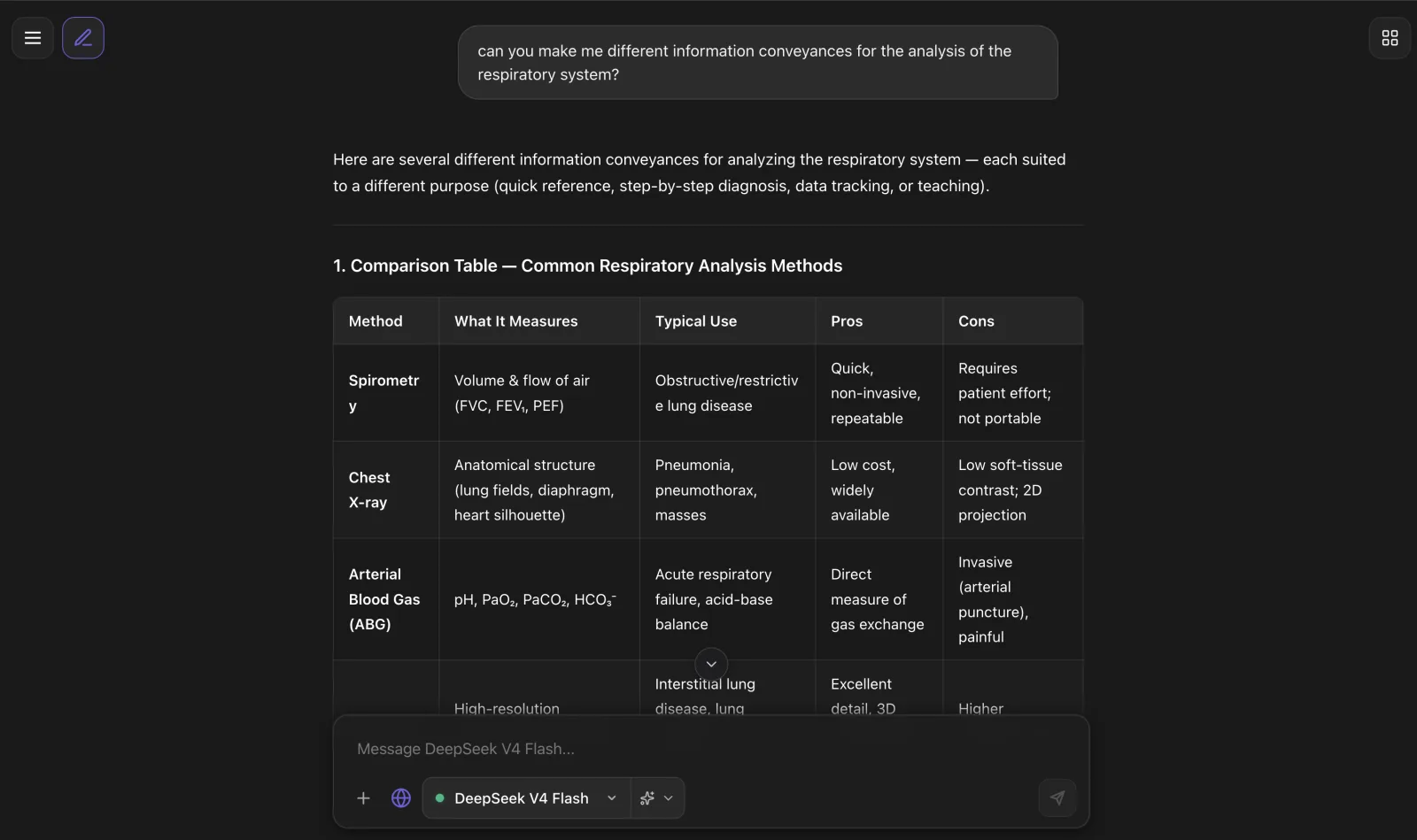
Fylun — built and live in early access: an AI-native productivity suite running on the stack. Its builder, Fylun Studio, generates user sites on Neutron, so every site someone builds in Fylun is a live Neutron deployment — a second route to Neutron adoption beyond developers who pick it directly.

Tebian — built and live: a full operating system on GNU/Debian.

Infrastructure is the wedge; the portfolio is proof, not this round's focus. Long-term, the same design principle scales into a fully integrated stack — Teploy is where it starts monetizing.

04

Progress

Built product first. Market validation is the next milestone.

AssetStatusEvidence
Teploy toolkitLiveDeployment, rollback, HTTPS, dashboard, and observability foundation built; Ship (autonomous coding agent) live in early access
Teploy CloudPrivate testingProvider aggregation and managed operations are the paid product this round validates
Neutron + NucleusLiveFree framework and database layer; supports the developer adoption motion
Fylun + TebianBuilt proofFylun live in early access; Tebian publicly released

The missing proof is intentionally clear: design partners, pilots, and first paid Teploy Cloud customers.

05

Business Model

One paid product, built on a free foundation.

Teploy Cloud is the single paid product. The free stack — Neutron, Nucleus, and the Teploy toolkit — is what developers adopt and run themselves; Teploy Cloud is the upgrade for teams that want those operations managed, without giving up the servers underneath. The metric that matters is free-to-Cloud conversion.

Fylun and Tebian are optionality, not competing uses of capital — proof the same infrastructure holds up in production, with room to become their own line of business if either earns its own market.

06

Market

Teploy is the wedge — a proven, well-funded market.

Developer infrastructure is a proven, well-funded market — these outcomes are the size-of-prize proxy, not just comps: Vercel was valued at $9.3B in 2025, IBM acquired HashiCorp for $6.4B in 2025, and Netlify was valued at $2B in 2021. A platform with real developer adoption is venture-scale on its own. Teploy targets a narrower wedge inside it: teams that want cloud convenience while owning the underlying infrastructure.

Teploy's competitive field. Teploy sits between self-hosted deployment tools such as Dokploy, Coolify, and Kamal — where dashboard and server state can drift apart — managed platforms such as Heroku, Render, Railway, and Vercel, which trade ownership for convenience, and cloud-management products such as Cloudways. Observe consolidates into one self-hosted binary what teams usually buy as separate tools — error tracking (Sentry), product analytics (PostHog), web analytics (Plausible, Umami, GA4), and APM (SigNoz).

Why now. Smaller teams ship more software with fewer people, but infrastructure stays split across providers, dashboards, and monitoring tools. Teploy turns that operational surface into one open-core workflow.

07

Why This Wins

Four structural advantages that don't go away.

01
We have no infra vendor.

No database bill. No deployment bill. No observability bill. The cost structure — and the integration risk — that would eat a competitor's margins is our foundation, built once and used by every venture forever.

02
Dogfooding shortens the feedback loop.

Every issue found while shipping real products on the stack becomes an infrastructure improvement — tested in production, not only in isolated demos.

03
Every OSS user can become a Cloud lead.

The free layer compounds developer mindshare over time. When users need provisioning, provider aggregation, and managed operations, Teploy Cloud becomes the natural upgrade path.

04
One team ships what seven companies maintain.

The time other companies spend on vendor coordination, integration work, and contract renewals is time this team spends shipping. Speed and cost structure compound over time.

08

Team

One founder. The whole stack.

Tyler
Founder · British Columbia, Canada

One person designed and built every layer this company runs on — framework, database, deployment and observability toolkit, an autonomous coding agent, operating system, and a live AI product on top — as one system built to fit together, not separate tools bolted on. The throughline, earned across every product shipped: the infrastructure underneath is always the bottleneck, and Teploy is the company built to monetize the fix. The work today is deliberately narrow — Neutron and Teploy, the infrastructure this round funds; Fylun and Tebian are already shipped.

Range — Tebian

A free operating system on GNU/Debian with a guided setup menu — bare server up to containers, VMs, and security tooling. Proof the founder works at every layer, not just the parts customers see.
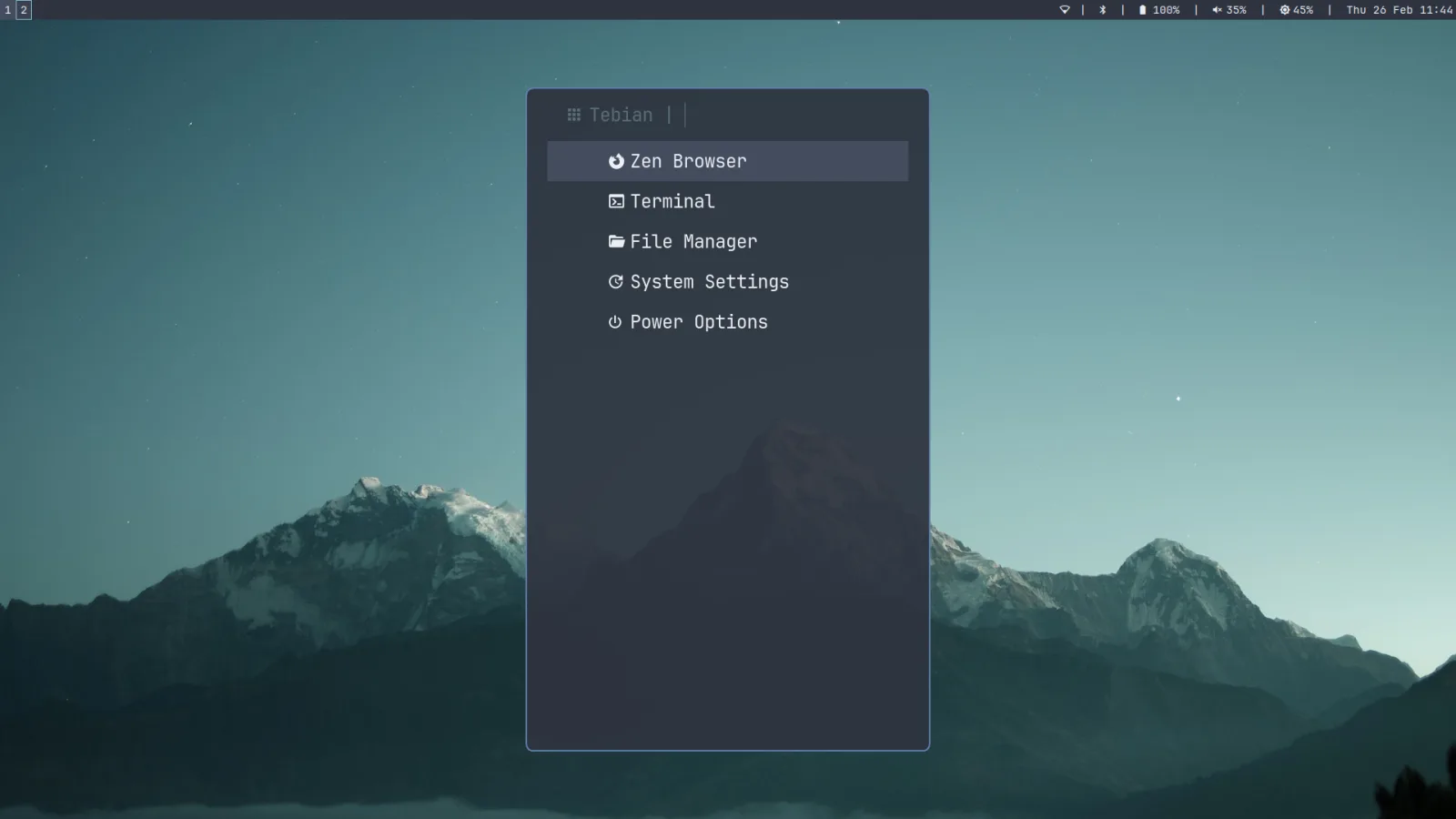
Tebian desktop with its guided launcher menu open
Tebian — guided launcher running live
Rigor — Babel Bible

A curriculum that carries concepts from plain intuition up to fully verified Lean 4 proofs — the same exacting standard the founder brings to building the stack.

Babel Bible lesson page with a key theorem and full solution
Babel Bible — theorem to verified proof, live
09

Plan to Revenue

Milestones for turning built product into market proof.

Year 1
Teploy Cloud to design partners and first paid customers

Cloud in market; design partners active; first paid plans tested; OSS → Cloud acquisition motion measured.

Year 2
Repeatable conversion motion

Cloud customers, usage, and MRR establish whether the open-core funnel converts well enough for a priced seed.

Year 3
Default-alive infrastructure company

Reach breakeven or raise from traction; expand only after Teploy has evidence of a repeatable market motion.

The capital is meant to buy validation time: design partners, pilots, first revenue, and a repeatable path to Cloud conversion.

10

The Ask

Pre-seed round. Capital funds validation and first revenue.

Pre-Seed Round

Terms open to the lead investor: SAFE or priced round. With a deliberately low burn, the round is designed to fund validation, not survival.

Use of funds
  • First engineering and developer-relations hires
  • Teploy Cloud product hardening and launch readiness
  • Developer marketing and design-partner acquisition
  • Cloud infrastructure for pilots and early customers
  • Legal, diligence, and operating runway at low burn
What this buys
  • Design partners using Teploy Cloud in real workflows
  • First paid Cloud customers and conversion data
  • A measured OSS → Cloud acquisition motion
  • The evidence needed for a priced seed or default-alive path
Teploy · Dream Lucid Group

Own the stack. Keep the cloud convenience.

The infrastructure giants' advantage is a whole stack — framework, cloud, and apps — stitched together from disparate systems over decades. We're building one that's coherent by design from day one, and Teploy is the layer it monetizes first. Reach out for a deeper walkthrough and diligence materials.

11 / 11
← Back to site